
Listening Is Not the Same as Including
A few weeks ago, I wrote about how often the people closest to a problem are the farthest from the decisions being made about it.
But there is another layer to that conversation.
Sometimes people are invited into the room. They are asked to share their experiences. They complete the survey, participate in the focus group, attend the meeting, or answer the questions.
The organization listens.
Then nothing changes.
That is when we have to acknowledge an uncomfortable truth:
Listening is not the same as including.
We can allow people to speak without allowing their knowledge to influence the outcome.

Three Things to Write Down After Every Meaningful Conversation
Some of the most important work we do never appears on an agenda.
It happens during a conversation after a meeting. It happens over coffee, during a community visit, or when someone shares something we were not expecting to hear.
We learn what matters to them. We make a promise to follow up. We notice an opportunity to help, connect, or respond.
Then the day keeps moving.
Another meeting begins. An email comes in. Someone needs an answer. By the time we finally sit down to document the conversation, the meaningful details have already started to fade.
I wish I could say I have always handled this perfectly. I have left meaningful conversations believing I would remember every detail, only to move into the next meeting, answer several emails, and realize later that something important had already become fuzzy. Not because the conversation did not matter, but because the day kept moving.

Capacity Is Not Commitment
Last week, I read a blog by Alex Bean of Factory for Good titled Most Nonprofits Start With a Cause. This One Starts With the Research.
He shared the story of AIM, an organization that researches which problems are widespread, urgent, and realistically solvable before deciding what kind of nonprofit should be created. They do not begin with a cause and then search for a solution. They begin with evidence, identify where meaningful change is possible, and then find the right people to build it.
Alex ended his blog with a line I could not stop thinking about:
“Money isn’t the solution to making the world a better place. Innovation is.”
That sentence hit differently for me because I am the person who goes out and asks people for money.
I sit across from donors. I build relationships, listen to what matters to them, explain the mission, and ask them to invest in work we believe can make a difference. I know money matters.
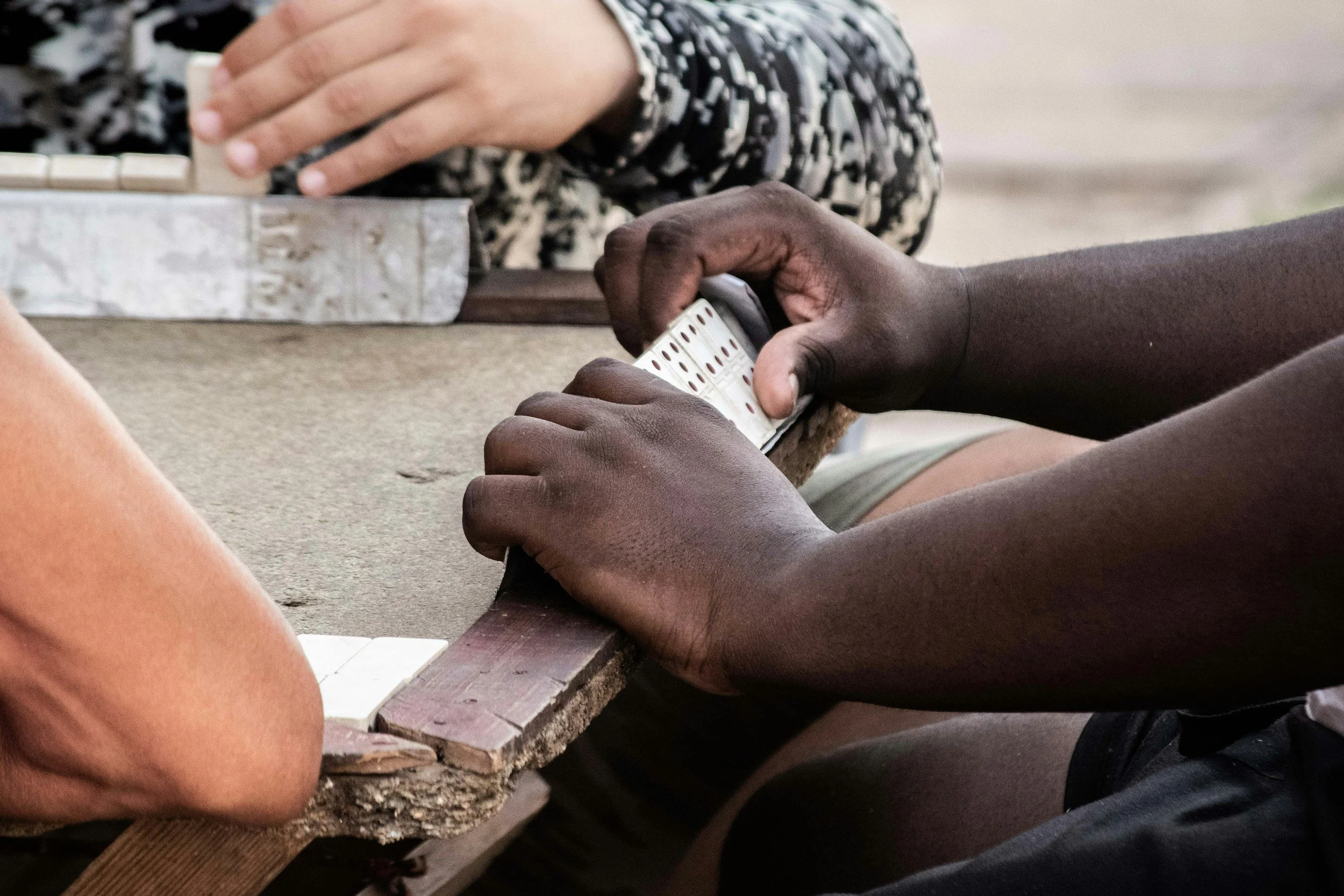
The People Closest to the Problem Are Often Farthest From the Decision
I have been thinking about how often decisions are made for people without ever being made with them.
In nonprofit work, we talk a lot about community voice, empowerment, dignity, and lived experience. Those words sound good in mission statements and strategic plans. But they only mean something when the people closest to the work are actually invited into the conversations that shape it.
Too often, the people experiencing the problem are nowhere near the room where decisions are being made.
The employee answering the phone every day knows what people are confused about.
The person delivering the program sees where families are struggling to participate.
The community member receiving the service knows whether it is truly helping.
Yet decisions about programs, policies, funding, and priorities are often made without asking any of them what they are seeing.
Reports and data are important. I believe in measuring outcomes and understanding whether our work is making a difference. But numbers cannot tell us everything.